
Blackout Generators Blog - May.png

Storm Season Generator Readiness Checklist for Oklahoma Homes & Businesses

Oklahoma weather is unpredictable. From severe thunderstorms and tornadoes to ice storms and extreme heat, power outages can happen at any time. For homeowners and business owners who rely on standby generators, storm season preparation is essential.

A backup generator only protects your home or facility if it is properly maintained and ready to perform when the grid fails. This guide outlines the key steps to ensure your generator is storm-ready and reliable before the next outage.

Why Generator Readiness Matters in Oklahoma

Power outages in Oklahoma can last hours or even days, depending on storm severity and grid damage. During an outage, generators support critical systems such as:

  • HVAC and heating systems

  • Refrigeration and food storage

  • Medical equipment

  • Security systems

  • Business operations and IT equipment

Without proper preparation, a generator may fail right when you need it most. Regular maintenance and inspections help ensure dependable performance during emergencies.

Step 1: Schedule Professional Generator Maintenance

The most important step before storm season is scheduling a professional inspection. A certified technician can identify wear, replace parts, and ensure your system is operating safely. Professional generator maintenance typically includes:

  • Oil and filter changes

  • Air filter inspection

  • Spark plug replacement

  • Battery testing

  • Fuel system inspection

  • Coolant level check

  • Software and system diagnostics

Annual servicing helps prevent unexpected failures and extends the life of your generator.

Step 2: Check the Generator Battery

The battery is one of the most common causes of generator failure. Standby generators rely on battery power to start automatically during an outage. Before storm season:

  • Inspect battery terminals for corrosion

  • Check battery charge level

  • Replace batteries older than 2–3 years

  • Test automatic start functionality

A weak or dead battery can prevent the generator from turning on during a power outage.

Step 3: Inspect Fuel Supply and Lines

Generators depend on a consistent fuel supply to run safely and efficiently. Depending on your system, your generator may use natural gas, propane, or diesel fuel. Storm preparation fuel checks should include:

  • Confirming fuel valves are open

  • Inspecting fuel lines for leaks or damage

  • Ensuring propane tanks are adequately filled

  • Verifying natural gas connections are secure

Fuel issues are one of the most preventable causes of generator failure.

Step 4: Test the Automatic Transfer Switch (ATS)

The automatic transfer switch (ATS) is the component that detects power outages and switches your home or business to generator power. Before storm season:

  • Run a full system test

  • Simulate a power outage

  • Confirm the transfer switch engages properly

  • Ensure power returns smoothly when the grid is restored

If the ATS fails, the generator may run but never power your building.

Step 5: Clear Debris Around the Generator

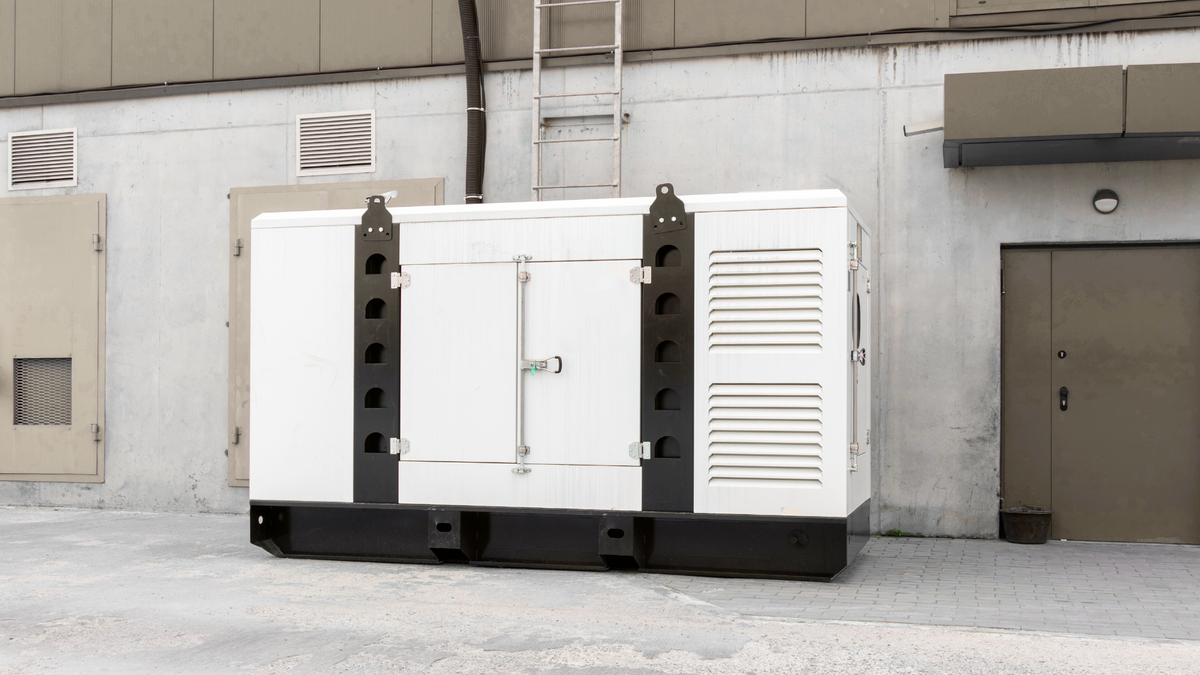
Outdoor standby generators must remain unobstructed to operate safely. Before storm season, clear the area around your generator:

  • Remove leaves, branches, and debris

  • Trim nearby bushes and plants

  • Ensure at least 3 feet of clearance around the unit

  • Check for signs of pest activity or nesting

Blocked airflow can cause overheating and shutdown during operation.

Step 6: Run a Monthly Generator Test

Running your generator regularly keeps internal components lubricated and ensures readiness. Monthly exercise runs should:

  • Last 15–30 minutes

  • Occur under load when possible

  • Include a full visual inspection

Routine testing helps detect small issues before they become major problems.

Step 7: Update Your Emergency Preparedness Plan

Storm readiness goes beyond generator maintenance. It also includes planning for how your home or business will operate during an outage. Consider preparing:

  • Emergency contact lists

  • Backup fuel supply plans

  • Surge protection for sensitive electronics

  • Employee or family communication plans

  • Emergency lighting and safety supplies

A generator is a critical part of a larger emergency preparedness strategy.

Step 8: Know When to Upgrade Your Generator

If your generator is older or struggling to keep up with power demands, storm season may be the right time to upgrade. Signs you may need a new generator include:

  • Frequent maintenance issues

  • Insufficient power for your home or business

  • Increased energy usage or renovations

  • Units older than 10–15 years

Modern standby generators offer improved efficiency, quieter operation, and smarter monitoring features.

Generator Readiness for Businesses

For Oklahoma businesses, generator readiness is even more critical. Power outages can lead to lost revenue, data loss, equipment damage, safety risks, and customer service disruptions.

Routine maintenance and monitoring help ensure business continuity and protect your investment.

The Benefits of a Generator Maintenance Plan

Routine maintenance offers long-term benefits:

  • Increased reliability during outages

  • Extended equipment lifespan

  • Reduced repair costs

  • Improved safety

  • Peace of mind during severe weather

Storm season preparation helps ensure your generator performs when it matters most.

Be Ready Before the Next Storm Hits

Oklahoma's storm season can arrive quickly and without warning. Preparing your standby generator now helps ensure your home or business stays powered and protected during outages.

Whether you need maintenance, inspection, or a new generator installation, professional support ensures your system is ready for any emergency.

Schedule Your Generator Service Today

Don’t wait until the next storm approaches. Make sure your generator is ready to perform when you need it most.

Contact Blackout Generators today to schedule maintenance, inspection, or installation and stay prepared for Oklahoma’s unpredictable weather.