
Blackout Generators - Feb '26 Blog 2.png

How to Choose the Right Standby Generator for Oklahoma Winters

Planning for Oklahoma’s winter storms? Learn how to choose the right standby generator for heating, outages, and emergency power needs. A practical 2026 guide for Oklahoma homeowners.

Oklahoma winters can be unpredictable. While the state is known for heat and severe spring weather, winter brings its own challenges, from freezing temperatures to ice storms that strain the electrical grid. Power outages can last hours or even days, leaving homes without heat, lighting, refrigeration, and essential medical equipment.

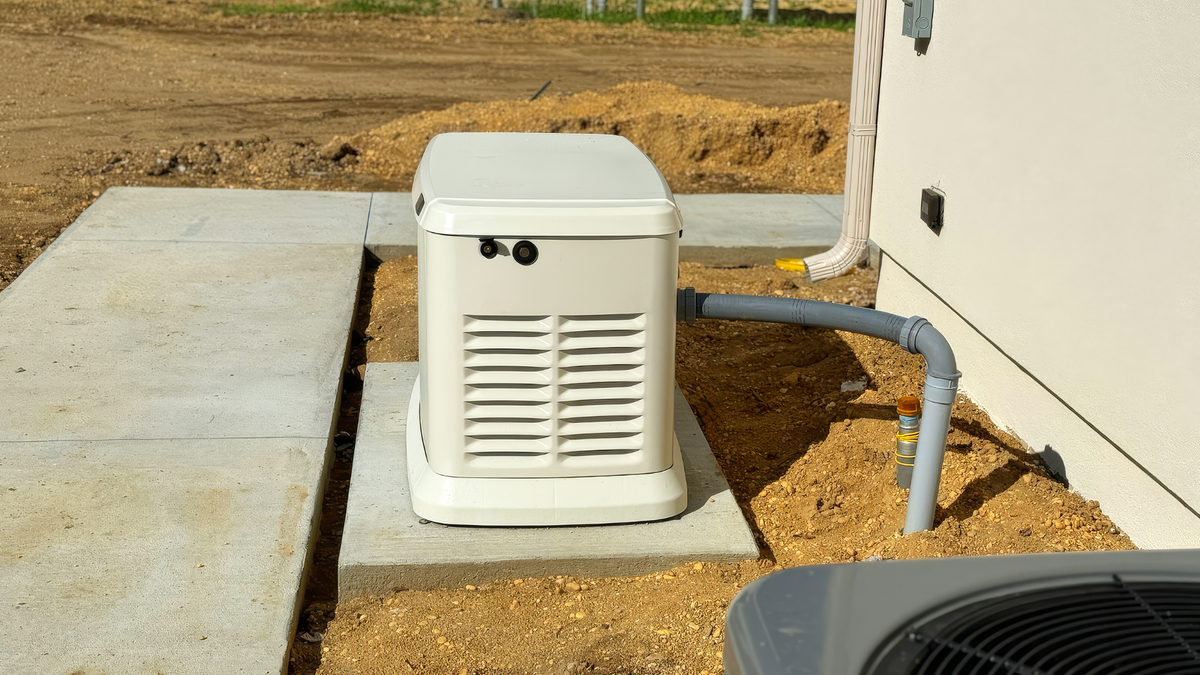
A standby generator is one of the most effective ways to protect your home and maintain comfort when the power goes out. But choosing the right generator requires more than picking a size or brand; it requires understanding Oklahoma’s winter demands, fuel reliability, installation conditions, and your home’s energy needs.

Understanding Oklahoma Winter Weather Patterns

While Oklahoma doesn’t experience extreme cold like northern states, the region faces unique winter challenges:

  • Ice storms that weigh down trees and power lines

  • Sudden cold snaps with temperatures dropping into the teens

  • Freezing rain that makes travel difficult and slows utility repairs

  • High wind events that can damage infrastructure

  • Localized outages lasting hours or days

The combination of freezing temperatures and unreliable power during storms makes standby generators essential, especially in rural areas or neighborhoods with older distribution lines.

Heating and Power Needs During Oklahoma Outages

During a winter outage, homeowners typically need:

  • Heating systems (furnaces or heat pumps)

  • Refrigeration (to prevent food spoilage)

  • Lighting

  • Medical or essential devices

  • Phone/internet charging

  • Hot water (electric or gas-assisted)

Some homes also require:

  • Well pumps

  • Sump pumps

  • Electric fireplaces

  • Space heaters (not recommended on portable generators)

Because heating uses significant power, choosing the right generator size is critical.

Step 1: Determine the Right Generator Size

Sizing a generator is one of the most important steps in the decision-making process.

A small or undersized generator can lead to:

  • Overloading

  • Tripped circuits

  • Inability to run your furnace

  • Shortened lifespan of the generator

A properly sized standby generator should be able to power:

  • Your furnace blower

  • Essential lights

  • Refrigerator

  • Outlets

  • Optional heavy loads (depending on your preference)

Typical standby generator sizes for Oklahoma homes:

  • 10–14 kW: Essentials + heating system

  • 18–22 kW: Whole-home coverage for most 1,500–2,500 sq ft homes

  • 24–26 kW: Homes with dual systems or heavier electrical needs

One of the best ways to size properly is by reviewing your home’s electric load and major appliances.

Pro Tip:

If you run electric heat, well pumps, or multiple HVAC units, your sizing needs will be higher than those of gas-based heating systems.

Step 2: Choose the Right Fuel Type

Standby generators typically run on:

Natural Gas

  • Reliable in winter

  • No refueling required

  • Most popular option in Oklahoma

  • Ideal for homeowners with existing gas lines

Propane

  • Great for rural areas

  • Dependable during outages

  • Requires a fuel tank on-site

  • Works well in cold weather when the tank is sized correctly

Diesel (less common for homes)

  • Powerful and efficient

  • Must be stored properly

  • Can gel in extreme cold if untreated

Which fuel is best for Oklahoma winters?

Natural gas or propane both perform reliably in freezing temperatures and during outages.

  • Powerful and efficient

  • Must be stored properly

  • Can gel in extreme cold if untreated

Step 3: Consider Automatic Transfer Switch (ATS) Needs

Your generator needs an ATS to automatically switch your home from utility power to generator power when an outage occurs.

For winter, this is especially important because outages often happen:

  • Overnight

  • During freezing temperatures

  • When homeowners are away

An ATS ensures your heat stays operational, pipes remain safe, and essential appliances continue running with no manual intervention.

Step 4: Evaluate Installation Conditions

Winter installation demands proper placement and safety measures.

Installers evaluate:

  • Distance from gas lines

  • Electrical panel location

  • Outdoor ventilation requirements

  • Freeze protection

  • Snow/ice clearance

Homeowners should consider:

  • Space on the property

  • Preferred location (side yard, behind the home)

  • Noise levels

  • HOA requirements, if applicable

Designing a proper installation plan ensures generator efficiency and long-term reliability.

Step 5: Plan for Maintenance Before Winter Starts

Generators require regular maintenance to perform reliably in cold weather.

Winter-focused maintenance includes:

  • Battery checks (cold affects battery performance)

  • Oil and filter changes

  • System testing

  • Keeping snow/ice cleared around the unit

  • Ensuring proper ventilation

Routine servicing helps prevent start-up failures during emergencies.

Choose the Right Standby Generator for a Safe Oklahoma Winter

Oklahoma winters may be unpredictable, but your home power supply doesn’t have to be. By choosing the right generator size, fuel type, and installation plan, you can stay warm, safe, and prepared for any outage in 2026.

Standby generators are not just conveniences; they’re essential winter protection for Oklahoma households.

If you’re planning to stay warm for the 2026 winter season and want help choosing the right standby generator, the team at Blackout Generators can guide you through your options.