Many homeowners assume standby generators are something that must be planned during new construction. If your home wasn’t built with backup power in mind, you might wonder whether installing a standby generator is even possible.
The good news is that, in most cases, the answer is yes.
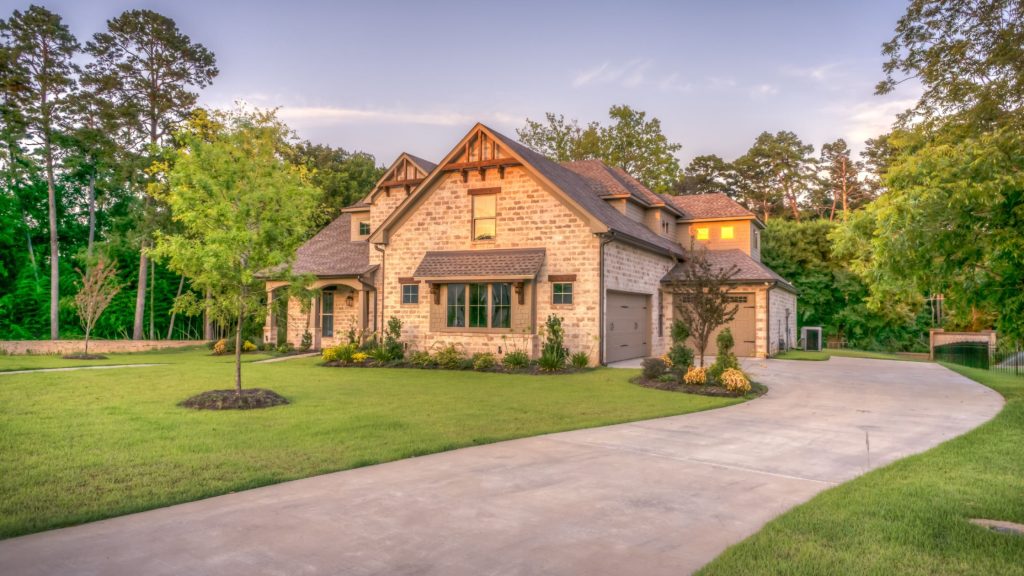
Modern standby generators are designed to be installed on existing homes, allowing homeowners to enjoy automatic backup power without undertaking a major renovation. Whether your home is five years old or fifty, a professionally installed standby generator can help protect your family during Oklahoma’s unpredictable weather and unexpected power outages.
If you’re considering backup power, understanding what’s involved before installation can help you make a more informed decision.
Most Existing Homes Can Support a Standby Generator
One of the biggest misconceptions about standby generators is that they require extensive modifications to your home.
In reality, most existing homes already have the infrastructure needed for installation. Professional installers evaluate your electrical system, available outdoor space, and fuel source before recommending the right generator for your property.
Rather than offering a one-size-fits-all solution, every installation begins with understanding your home’s unique electrical needs.
That’s why Blackout Generators starts every project with a free in-home survey, helping homeowners select the right generator size and installation plan before any work begins.
Your Electrical System Will Be Evaluated
A standby generator connects directly to your home’s electrical panel through an automatic transfer switch.
This allows the generator to detect a power outage automatically and restore electricity without requiring you to go outside or manually connect equipment.
During an installation assessment, professionals review your home’s electrical system to determine the most appropriate configuration and ensure the generator can safely power the circuits or appliances you’ve chosen to protect.
For some homeowners, that means powering only essential systems like refrigeration, lighting, HVAC equipment, and medical devices. Others may choose a whole-home backup solution that keeps nearly every circuit operating during an outage.
Fuel Availability Is Part of the Planning Process
Unlike portable generators that require gasoline, standby generators typically operate on natural gas or liquid propane.
If your home already has natural gas service, connecting the generator may be relatively straightforward. Homes without natural gas often use a propane tank as a reliable fuel source instead.
During your consultation, your installer will evaluate the available fuel options and recommend the solution that best fits your property and long-term needs.
Every Property Is Different
No two homes are exactly alike.
Lot size, landscaping, utility locations, drainage, fencing, patios, and even future home improvement plans can all influence where a generator should be installed.
Professional installers also consider manufacturer recommendations, ventilation requirements, maintenance access, and local building codes before selecting the ideal location.
This planning helps ensure your backup power system performs safely and reliably for years to come.
What Does the Installation Process Look Like?
Although every project is unique, installing a standby generator is generally much less disruptive than homeowners expect.
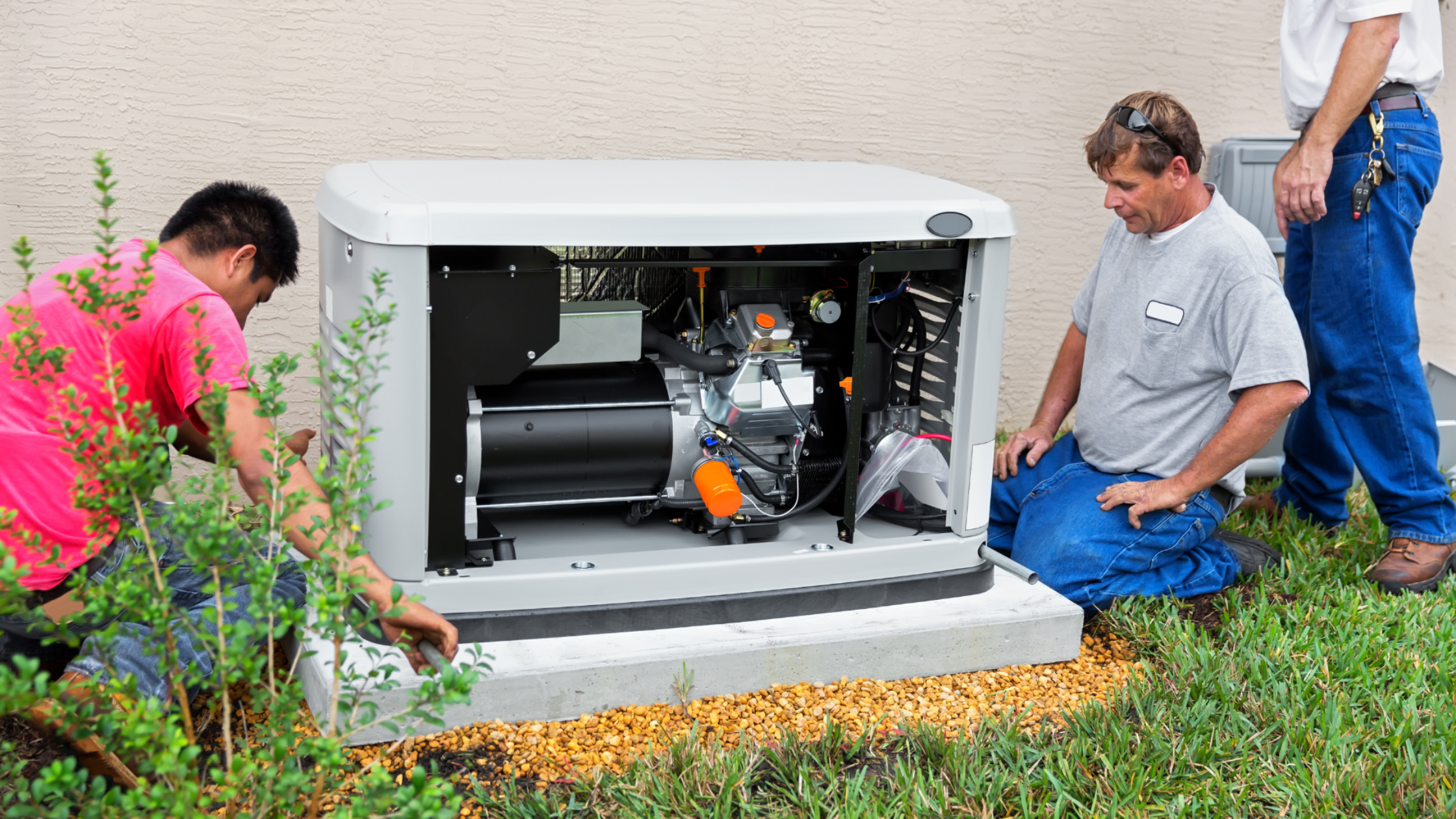
After the initial consultation, your installation team develops a plan tailored to your home. Once permits and approvals are complete, the generator, transfer switch, fuel connections, and electrical components are professionally installed and tested.
Before the project is finished, technicians verify that the system automatically detects outages and restores power as intended.
Perhaps most importantly, homeowners receive guidance on how their new generator operates, including its automatic self-testing schedule and ongoing maintenance recommendations.
Don’t Forget About Long-Term Maintenance
Installing a standby generator isn’t the final step in protecting your home.
Like any mechanical system, generators require routine maintenance to ensure they’re ready when severe weather strikes.
Regular inspections help identify worn components, monitor battery health, replace filters when needed, and verify the generator is operating correctly during its scheduled exercise cycle.
Consistent maintenance also helps extend equipment life and supports dependable performance during emergencies.
For Oklahoma homeowners, where storms can develop with little warning, routine service provides valuable peace of mind.
Frequently Asked Questions
Can an older home have a standby generator installed?
Yes. Most existing homes can accommodate a standby generator with proper planning and professional installation. An in-home survey helps determine the best approach for your specific property.
Will my generator power my entire home?
That depends on your home’s electrical load and the generator you choose. Some homeowners prioritize essential circuits, while others select whole-home backup power.
Do I need natural gas?
Not necessarily. Many standby generators can operate using either natural gas or liquid propane, depending on what’s available at your home.
How long does installation take?
Installation timelines vary based on permitting, fuel connections, electrical work, and property conditions. Your installer will provide a project timeline during your consultation.
Backup Power Is Easier Than Many Homeowners Think
Waiting until after the next major storm to consider backup power often leaves homeowners scrambling when demand for generators is at its highest.
Fortunately, adding a standby generator to an existing home is a practical solution for many Oklahoma families. With professional planning, proper installation, and ongoing maintenance, your generator becomes a long-term investment in comfort, convenience, and peace of mind.
If you’ve been wondering whether your home can support automatic backup power, the first step isn’t replacing your electrical system or remodeling your property; it’s scheduling a professional evaluation.
Contact Blackout Generators & Service
Don’t wait for the next outage to find out how your home will respond.
Contact Blackout Generators today to schedule your free consultation and discover how easy it can be to add reliable standby power to your existing home.