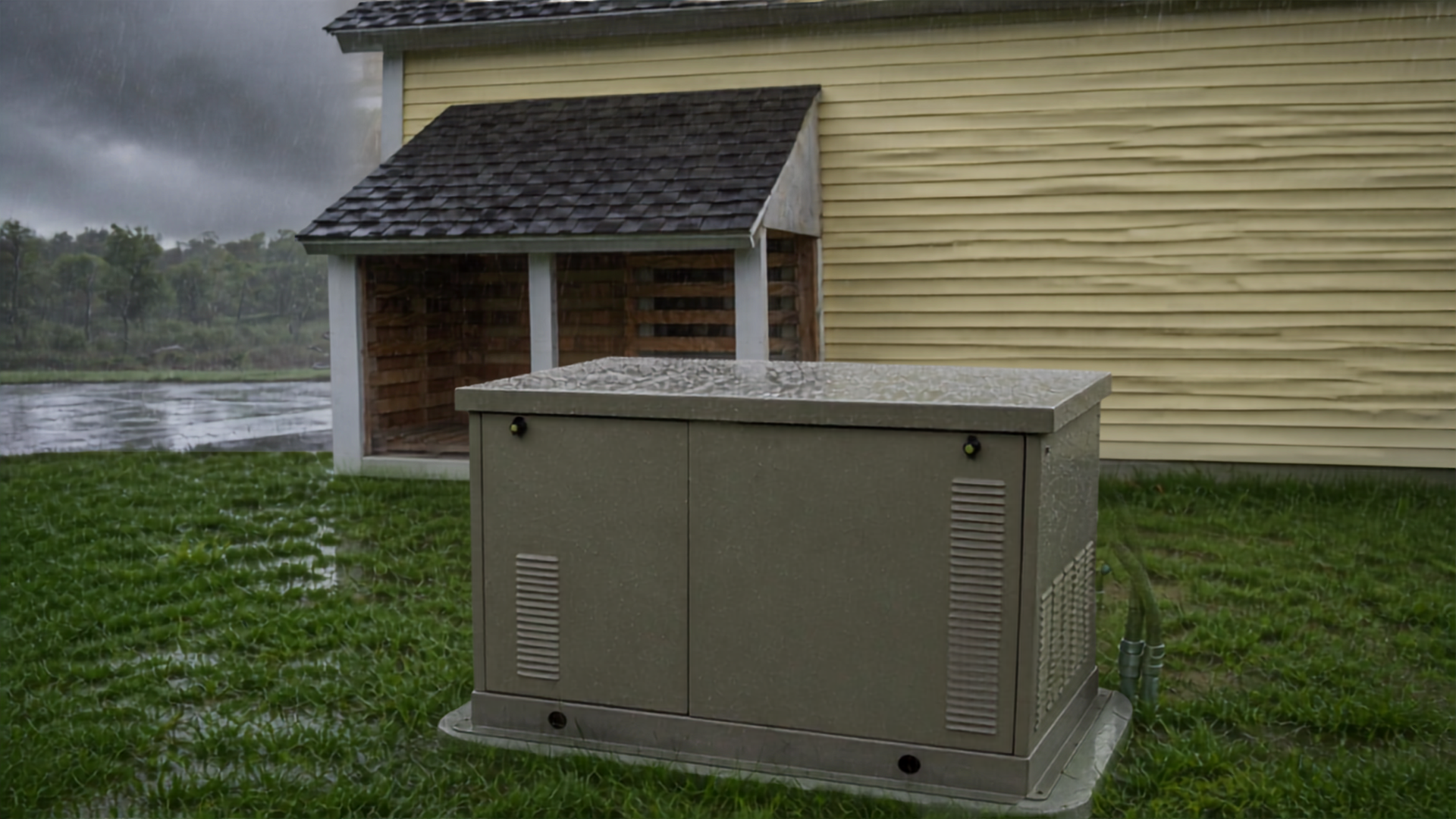
Installing a home standby generator is one of the best ways to protect your family from unexpected power outages. Whether severe thunderstorms, tornadoes, ice storms, or utility failures interrupt your electricity, a permanently installed standby generator ensures your home continues to operate when you need it most.
However, many homeowners have the same question before moving forward: What actually happens during the installation process?
Understanding each step can help eliminate uncertainty and give you confidence in your investment. While every property is unique, the installation process follows a structured approach designed to ensure your generator operates safely, efficiently, and in compliance with local regulations.
Here’s what Oklahoma homeowners can expect from start to finish.
Step 1: Schedule an In-Home Consultation
Every successful generator installation begins with a professional assessment.
During an in-home consultation, a qualified technician evaluates your property’s electrical system, discusses your concerns about power outages, and learns which appliances and systems you want to keep running during an outage.
For some homeowners, maintaining power to essential circuits such as refrigeration, lighting, internet, and medical equipment is the priority. Others prefer a whole-home standby generator capable of powering nearly every major electrical load, including central air conditioning.
This consultation also allows the installer to determine the best location for the generator while considering manufacturer specifications, local building codes, ventilation requirements, and accessibility for future maintenance.
At Blackout Generators & Service, complimentary in-home surveys help homeowners choose a standby generator that’s properly sized for their home’s electrical demands rather than relying on guesswork.
Step 2: Choosing the Right Generator
Not every home requires the same generator capacity.
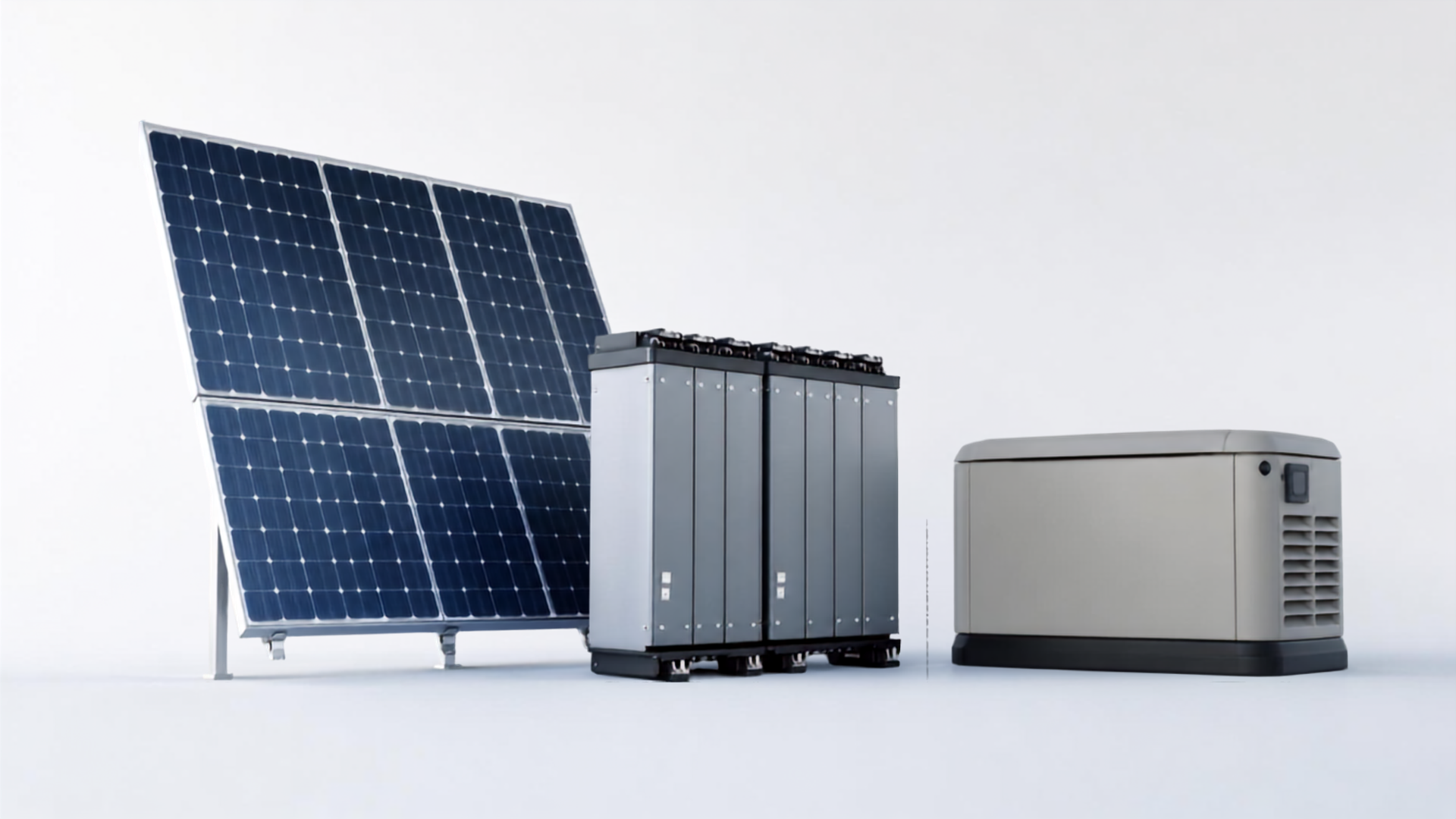
A professional load calculation helps determine how much electricity your home uses during an outage. This prevents homeowners from purchasing a generator that’s either too small to support essential systems or unnecessarily oversized. Factors that influence generator sizing include:
- The square footage of your home
- Heating and cooling systems
- Major appliances
- Well pumps or septic systems
- Medical equipment
- Home office requirements
- Future electrical needs
Selecting the right generator from the beginning helps improve performance, fuel efficiency, and long-term reliability.
Step 3: Permits and Installation Planning
Once the generator has been selected, the planning phase begins.
Professional installers coordinate the necessary permits, confirm installation requirements, and prepare the project timeline. This stage includes reviewing local electrical and building code requirements and ensuring the installation complies with manufacturer guidelines.
Homeowners typically don’t need to navigate these technical requirements themselves, as experienced installation teams manage much of the process on their behalf.
Proper planning also helps avoid delays and ensures the installation proceeds smoothly.
Step 4: Preparing the Installation Site
Before the generator arrives, technicians prepare the installation area.
The generator is placed on a stable, level base that provides adequate drainage and long-term support. The selected location must also meet required clearances from windows, doors, vents, and other structures to promote safe operation and proper airflow.
Because standby generators remain outdoors year-round, careful site preparation helps protect the equipment from environmental conditions while allowing technicians easy access for routine maintenance.
Step 5: Installing the Generator and Automatic Transfer Switch
With the site prepared, the generator and automatic transfer switch can be installed.
The automatic transfer switch is one of the most important components of the entire system. It continuously monitors utility power and automatically starts the generator when an outage occurs. Once utility service is restored, it safely transfers your home’s electrical load back to the power grid before shutting the generator down.
This entire process happens automatically, often within seconds, allowing homeowners to remain comfortable without manually starting equipment or connecting extension cords.
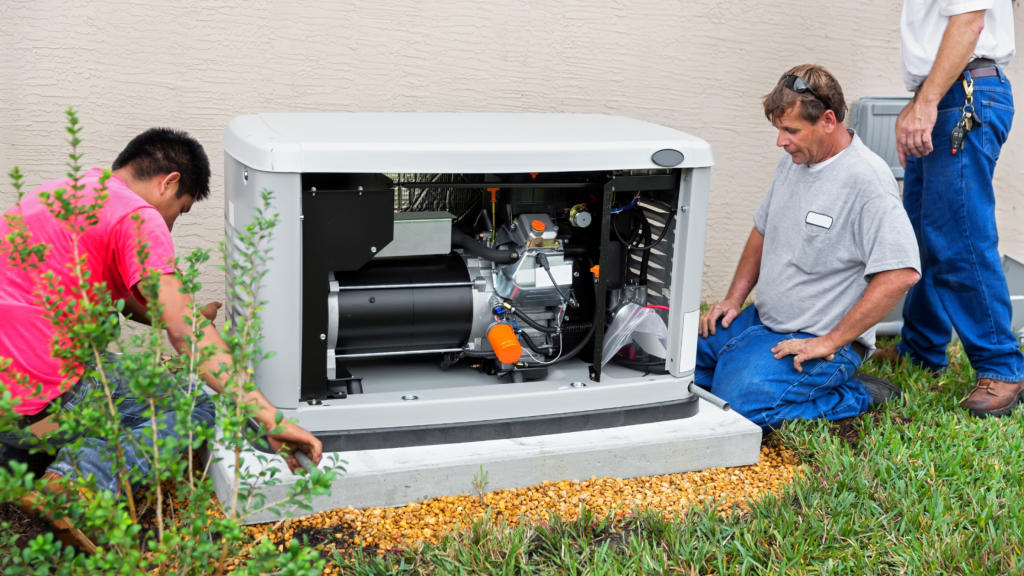
Professional electricians also connect the generator to your home’s electrical panel, ensuring the system operates safely and efficiently.
Step 6: Fuel Connection and System Testing
Standby generators typically operate using natural gas or propane. Licensed professionals complete the fuel connections and thoroughly inspect the system before the generator is started for the first time.
Once installation is complete, technicians perform comprehensive testing to verify that the generator starts correctly, the transfer switch functions properly, and the selected electrical circuits receive power during a simulated outage.
Every component is carefully checked to ensure the system is operating exactly as intended before the project is considered complete.
Step 7: Learning How Your Generator Works
Although standby generators operate automatically, homeowners should still understand the basics of their new system.
Before leaving, your installation team will explain how the generator functions, review routine maintenance recommendations, discuss warranty information, and answer any remaining questions.
Many homeowners are surprised by how little day-to-day attention a standby generator requires. Routine professional maintenance and periodic self-tests help ensure the system remains ready whenever it’s needed.
Frequently Asked Questions
How long does a standby generator installation take?
While every property is different, most residential generator installations can be completed within one to two days once permits, equipment, and site preparations are in place.
Will my power be turned off during installation?
Temporary power interruptions may occur while electrical connections are completed, but installers work to minimise disruptions whenever possible.
Does the generator start automatically?
Yes. A standby generator works with an automatic transfer switch that detects utility power loss and starts the generator without homeowner intervention.
Do I need to be home during the installation?
It’s generally recommended that someone be available to answer questions, review the completed installation, and receive an overview of the system’s operation.
How often should my generator be serviced?
Routine maintenance should be performed according to the manufacturer’s recommendations to ensure reliable operation and preserve warranty coverage.
Professional Installation Makes All the Difference
A home standby generator is a long-term investment in your family’s comfort, safety, and peace of mind.
While the equipment itself is important, proper installation plays an equally critical role in ensuring dependable performance for years to come. Working with experienced professionals helps ensure your generator is correctly sized, safely installed, thoroughly tested, and ready to respond automatically whenever the power goes out.
For Oklahoma homeowners, installing a standby generator before severe weather or unexpected outages occur provides confidence that your home will remain powered no matter what the forecast brings.
Contact Blackout Generators & Service
Ready to protect your home with reliable backup power?
Blackout Generators & Service provides professional home standby generator sales, installation, maintenance, and repair throughout Oklahoma. From complimentary in-home consultations and generator sizing to expert installation and ongoing service, our experienced team is committed to helping homeowners stay prepared for every season.
Contact Blackout Generators & Service today to schedule your free in-home survey and learn which standby generator is the right fit for your home.