Oklahoma weather does not always wait for convenient conditions. A storm can roll through with little warning, bringing heavy rain, strong winds, lightning or freezing precipitation and sometimes a power outage along with it.
That raises an important question for homeowners and businesses relying on backup power: Can you run a generator in the rain?
The answer depends on the type of generator and the manufacturer’s instructions. Portable generators require particular caution because they are exposed to both electrical and carbon monoxide hazards. Permanently installed standby generators are designed for outdoor operation, but they still need to be installed correctly and kept clear of conditions that could interfere with safe operation.
Understanding how weather affects generator safety can help Oklahoma property owners make better decisions before the next outage.
Can You Run a Generator in the Rain?
A portable generator should never simply be placed outside in an exposed location and assumed to be safe in wet weather.
Generators produce electricity, which creates an electrical shock risk when equipment is exposed to water. The U.S. Consumer Product Safety Commission recommends following the generator manufacturer’s instructions regarding operation during rain or other inclement weather. Some manufacturers may specify waiting until precipitation passes, while others may provide approved solutions for protecting the equipment without creating additional hazards.
The important takeaway is that you should never improvise a cover, enclosure or operating setup for a portable generator during a storm. Blocking ventilation or trapping exhaust can create an entirely different and potentially deadly problem.
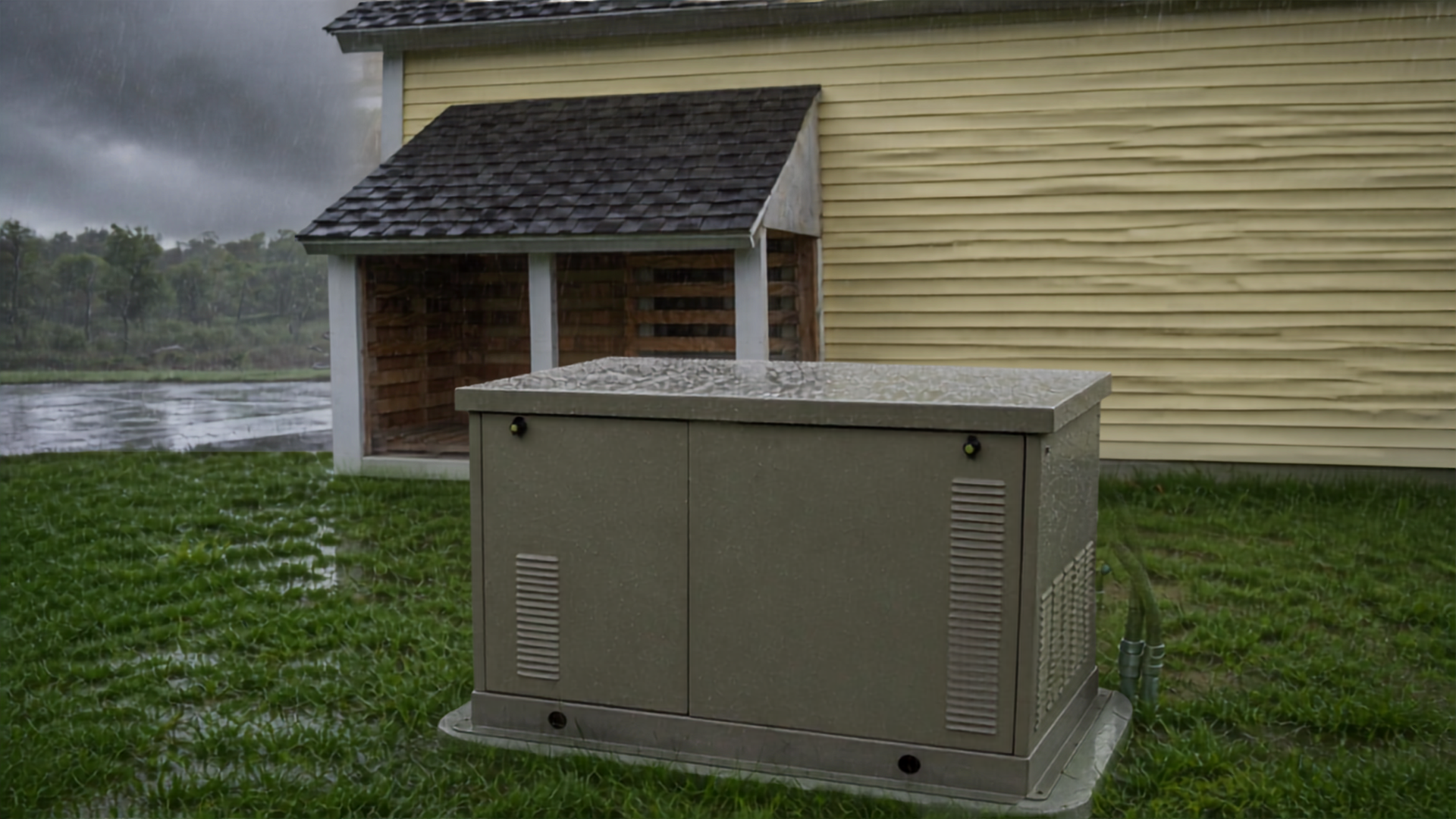
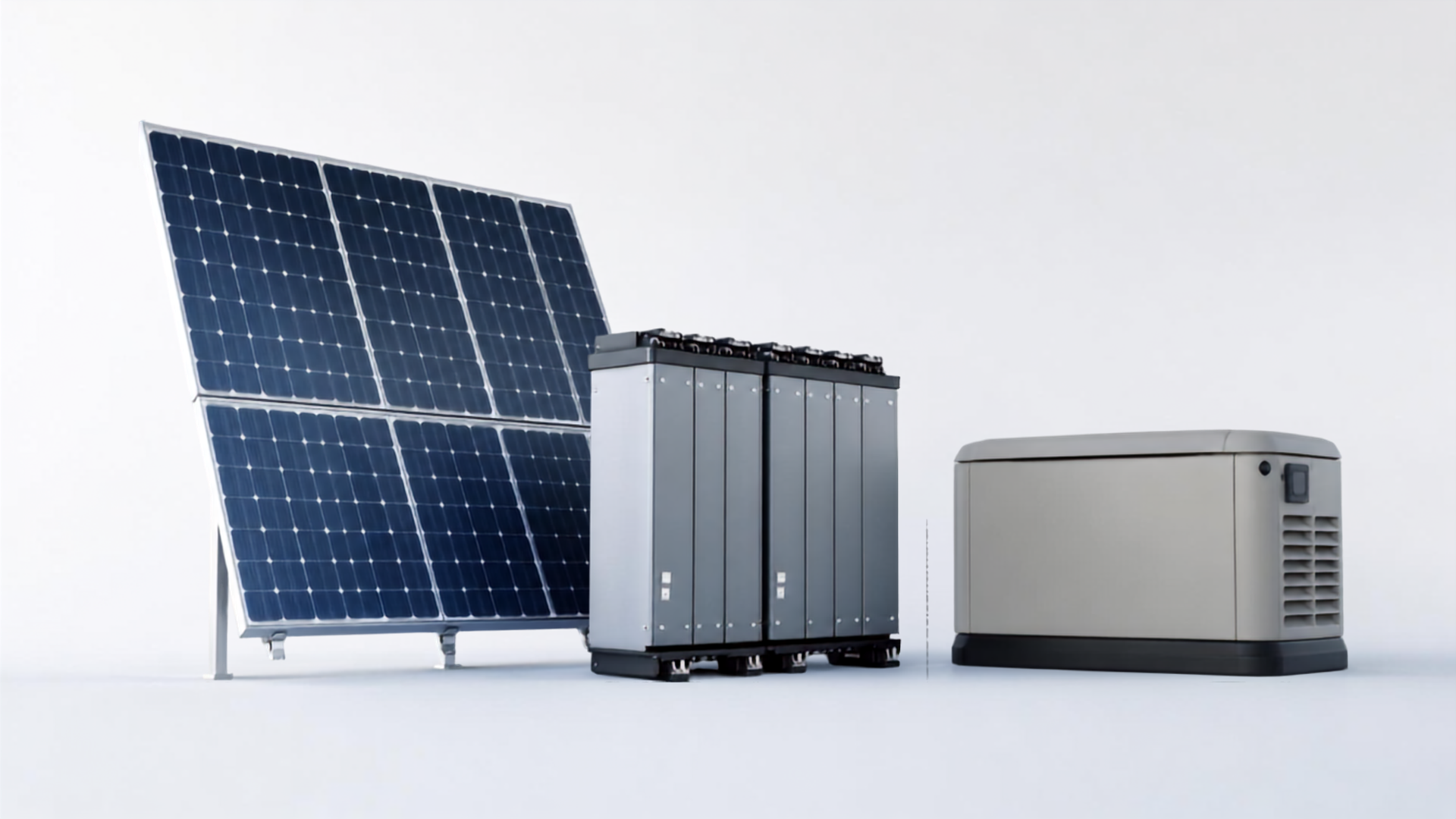
For a permanently installed standby generator, the situation is different. These systems are designed for outdoor installation and are intended to automatically provide backup power when utility electricity fails. Blackout Generators & Service installs residential standby systems as well as commercial backup power systems throughout Oklahoma.
Why Rain and Wet Weather Can Make Generator Operation More Complicated
Water and electricity are obvious concerns, but wet weather can create several issues that homeowners may overlook.
A portable generator operating in the rain can present an increased risk of electrical shock if water reaches electrical components, outlets or connections. The generator also needs adequate airflow and ventilation while operating. Covering the unit with a tarp or placing it in a garage, shed, carport or other enclosed area may appear to solve the rain problem, but it can expose occupants to carbon monoxide.
Carbon monoxide, or CO, is an odourless and colourless gas produced by fuel-burning generators. The Centers for Disease Control and Prevention recommends operating portable generators outdoors more than 20 feet from windows, doors and vents. Generators should never be operated inside a home or garage, even when doors or windows are open.
This is particularly important during Oklahoma storms, when homeowners may be tempted to move equipment closer to the house for protection from heavy rain.
Keeping a generator dry should never come at the expense of proper ventilation or safe placement.
How Should You Use a Portable Generator During Bad Weather?
If you use a portable generator for emergency backup power, plan its location before an outage occurs.
The generator should be positioned outdoors in accordance with the manufacturer’s instructions and well away from doors, windows and ventilation openings. The exhaust should be directed away from the home and other buildings.
You should also have working carbon monoxide alarms in the home. The CPSC recommends CO alarms on every level of a home and outside sleeping areas.
Electrical connections deserve attention, too. Keep cords and connections protected according to the generator manufacturer’s instructions, and never use damaged electrical cords. Do not attempt to connect a portable generator directly to household wiring by plugging it into a wall outlet. Improper “backfeeding” can create serious electrocution hazards for occupants and utility workers.
When severe weather is approaching, it is much better to decide where and how your portable generator can be operated safely before the power goes out.
What About a Standby Generator?
A home standby generator is designed for a different type of backup power experience.
Blackout Generators’ home standby systems are permanently installed outdoors and can operate automatically when utility power is interrupted. Depending on the system and electrical load, a standby generator can provide power to essential circuits or an entire home.
Because the generator is professionally installed as a permanent system, homeowners do not have to move the equipment into position when a storm approaches. Proper installation also accounts for the generator’s placement, electrical connections, fuel supply and other requirements.
That does not mean homeowners should ignore the unit during severe weather. Keep the area around the generator clear of debris and make sure nothing is blocking the equipment’s ventilation or access. If you notice an unusual sound, warning indicator, visible damage or another problem after a storm, contact a qualified generator technician rather than attempting a complicated repair yourself.
Blackout Generators provides generator maintenance and repair services for residential and commercial systems, helping property owners keep their backup power equipment ready throughout the year.
What About Ice, Snow and Freezing Weather?
Rain is not the only weather condition Oklahoma homeowners should consider.
As temperatures fall, freezing rain and ice can create additional challenges around outdoor equipment. Accumulated ice, branches and storm debris should not be allowed to obstruct the generator or its ventilation areas.
Oklahoma’s winter weather can also bring conditions that cause utility outages. Blackout Generators notes that ice accumulation can damage power lines and tree limbs, potentially leaving homes without electricity for extended periods.
Rather than waiting until the forecast calls for freezing weather, homeowners should make sure their generator system has been professionally inspected and serviced as recommended by the manufacturer.
When Should You Call a Generator Professional?
If your generator has been exposed to significant storm damage, has trouble starting, displays an error message, produces unusual sounds or does not operate as expected, it is best to have it inspected by a qualified professional.
This is especially important if water has entered areas that contain electrical components or if the generator has been struck by debris.
Blackout Generators & Service provides generator installation, maintenance and repair for Oklahoma homeowners and businesses.
Frequently Asked Questions About Generators and Rain
Can I run my portable generator in the rain?
Do not assume that a portable generator is safe to operate in exposed rain. Follow the manufacturer’s instructions for wet-weather operation and use. Never operate a portable generator inside a home, garage, shed or other enclosed space.
Can I put a tarp over my generator?
Do not improvise a cover or enclosure. A covering that restricts ventilation can create dangerous conditions. Follow the manufacturer’s guidance for protecting the specific generator you own.
Can a standby generator operate during rain?
Permanently installed standby generators are designed for outdoor use, but they must be installed according to manufacturer requirements and applicable safety standards. If the system appears damaged or is not operating normally after severe weather, have it inspected by a qualified technician.
How far should a portable generator be from my house?
The CDC recommends operating portable generators more than 20 feet from windows, doors and vents, with the exhaust directed away from the home.
Stay Safe When Oklahoma Weather Turns
Backup power is most valuable when conditions outside are at their worst. That is also when generator safety matters most.
Whether you already own a generator or are considering one for your Oklahoma home or business, understanding the difference between portable and standby systems and knowing how weather affects their operation can help you make safer decisions during an outage.
If you need professional guidance, contact Blackout Generators & Service to discuss generator installation, maintenance, repair or backup power options for your property.