Installing a home standby generator is one of the most effective ways to prepare for Oklahoma’s unpredictable weather. Whether it’s a spring tornado, a summer thunderstorm, or a winter ice storm, having automatic backup power means your home can continue operating when the electrical grid goes down.
But once you’ve decided to invest in a standby generator, another important question quickly follows:
Where should it actually be installed?
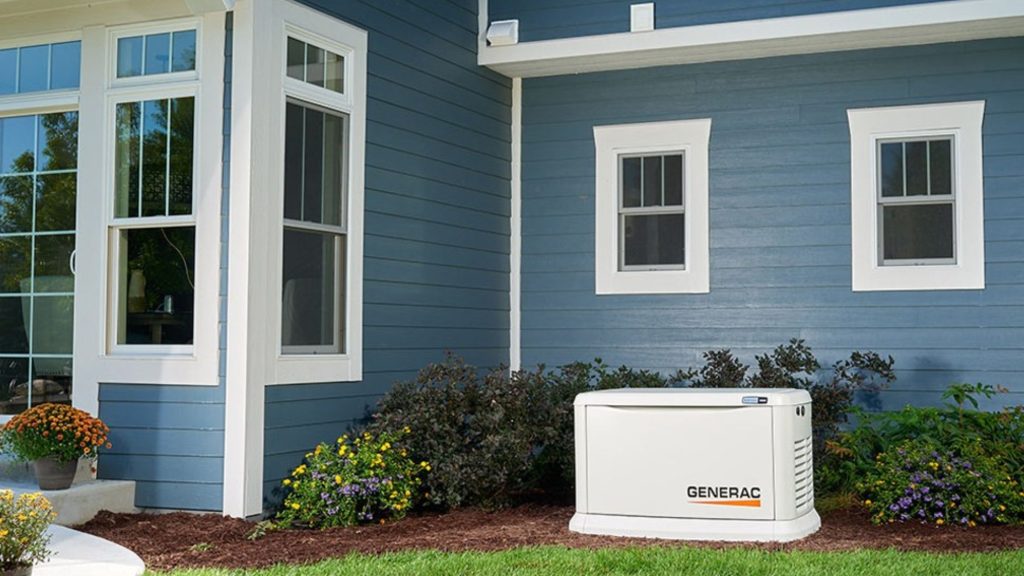
Many homeowners assume they can simply place the generator wherever there’s available space. In reality, the location of your generator plays a significant role in its safety, performance, accessibility, and long-term reliability.
Every property is different, which is why professional site planning is an essential part of any standby generator installation.
Why Generator Placement Matters
A standby generator isn’t simply another appliance placed beside your home.
Unlike portable generators, permanently installed standby generators connect directly to your home’s electrical system and fuel supply. They also include an automatic transfer switch that detects power outages and restores electricity without requiring homeowner intervention.
Because of these connections, installation must account for electrical requirements, fuel access, ventilation, maintenance clearance, local building codes, and manufacturer guidelines.
Proper placement helps ensure your generator operates safely and efficiently whenever Oklahoma experiences an unexpected outage.
Safety Comes First
Standby generators produce engine exhaust that contains carbon monoxide, making proper placement critical.
Manufacturers establish minimum clearance requirements from doors, windows, vents, and other building openings to help prevent exhaust from entering the home.
Similarly, generators require adequate airflow for cooling. Installing a unit too close to walls, landscaping, fencing, or other obstructions can reduce ventilation and affect performance.
Because these requirements vary depending on the equipment and property layout, installation should always follow manufacturer specifications and local code requirements.
Fuel Supply Plays an Important Role
Most residential standby generators installed in Oklahoma operate on either natural gas or liquid propane.
The distance between your generator and its fuel source can influence installation complexity and overall project planning.
Positioning the generator where fuel connections can be installed efficiently often helps reduce installation challenges while supporting dependable long-term operation.
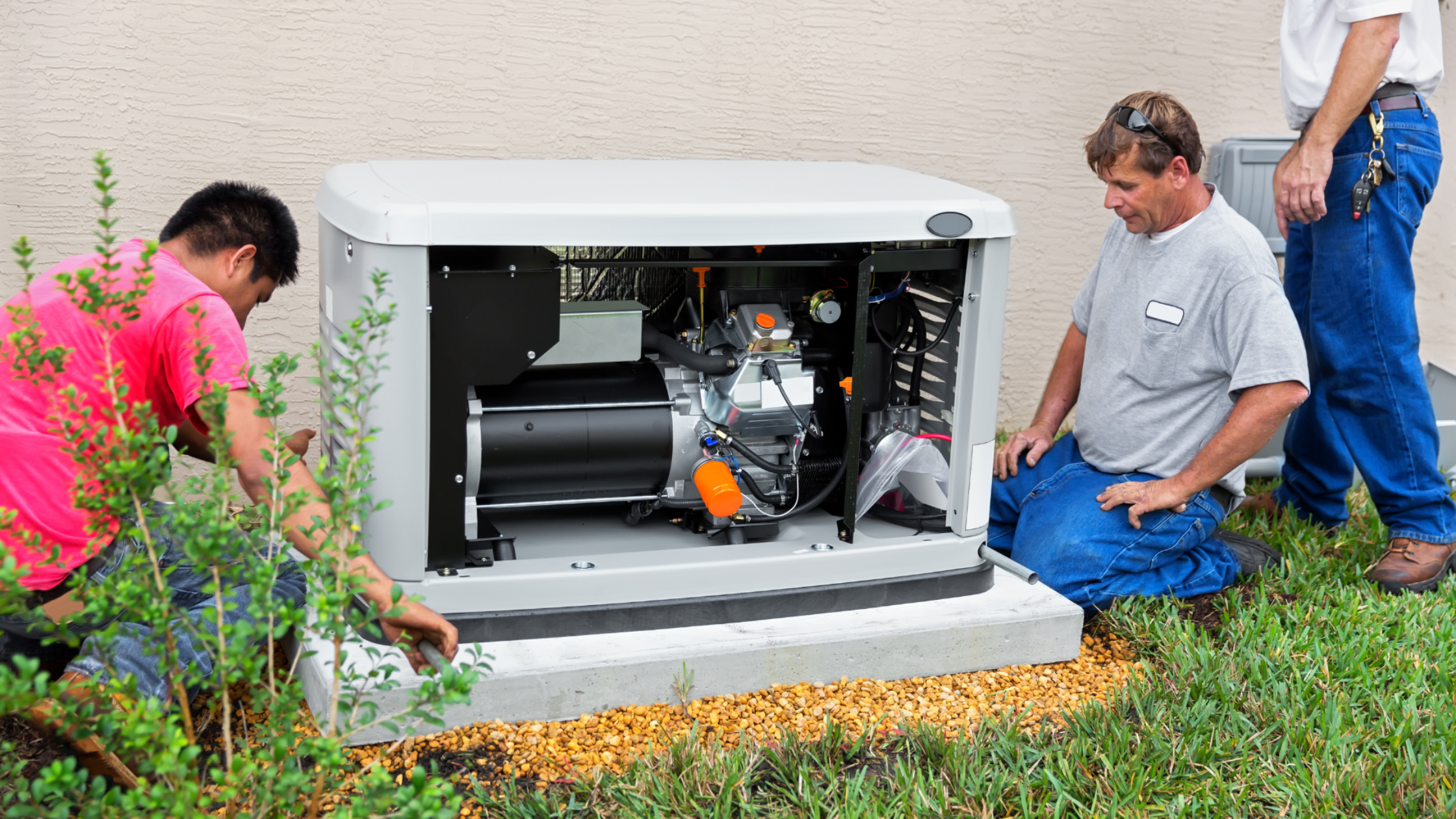
During an in-home consultation, professional installers evaluate both your electrical system and fuel supply before recommending an installation location.
Accessibility Matters Long After Installation
Generator placement isn’t only about the day it’s installed.
Routine maintenance, inspections, and servicing are essential to keeping your backup power system ready for the next outage.
Installing a generator in a difficult to access location may complicate future maintenance visits and make routine inspections less convenient.
Choosing an accessible location allows technicians to perform maintenance efficiently while enabling homeowners to easily monitor their equipment year round.
Oklahoma Weather Creates Unique Considerations
Few states experience weather quite like Oklahoma.
Homes may encounter severe thunderstorms, tornadoes, straight-line winds, hail, ice storms, and prolonged periods of extreme heat all within the same year.
These conditions make thoughtful installation even more important.
Professional installers evaluate drainage around the property, ensuring generators are placed on stable surfaces where standing water is less likely to become an issue during heavy rainfall.
Likewise, they consider how landscaping, future home additions, fencing, or outdoor living projects could affect airflow and service access over time.
Planning helps homeowners avoid having to relocate equipment later.
Noise Is Often Less of a Concern Than Homeowners Expect
One question many homeowners ask is whether a standby generator will be noisy.
Modern residential standby generators are designed to operate much more quietly than many portable generators. While they do produce sound during operation, they’re engineered for residential environments and automatically perform brief self-tests on a scheduled basis.
Proper placement can further minimize the impact by considering the property layout and surrounding outdoor spaces. During your consultation, your installer can help identify a location that balances performance, accessibility, and homeowner comfort.
Why Professional Site Evaluations Make a Difference
Every home has different electrical demands, lot sizes, landscaping, utility locations, and local permitting requirements.
That’s why reputable generator installers don’t recommend equipment or installation locations without first evaluating the property.
At Blackout Generators & Service, every installation begins with a free in-home survey, allowing experienced professionals to assess your home’s electrical needs, identify the best installation location, and recommend a generator sized specifically for your household.
This personalized approach helps homeowners avoid unnecessary surprises during installation while ensuring their backup power system is designed for long-term reliability.
Frequently Asked Questions
Can a standby generator be installed anywhere on my property?
No. Generator placement must meet manufacturer recommendations, local building codes, and safety clearances while providing proper ventilation and service access.
How close can a generator be to my home?
Clearance requirements vary depending on the generator model and applicable codes. A professional installer will determine the safest location during your site evaluation.
Does landscaping affect generator installation?
Yes. Trees, shrubs, fencing, patios, and other outdoor features can influence airflow, maintenance access, and installation planning.
Why is a professional site survey important?
A site survey allows installers to evaluate your home’s electrical system, fuel source, available space, drainage, and code requirements before recommending the best generator and installation location.
A Well-Planned Installation Provides Long-Term Peace of Mind
Choosing the right standby generator is only part of preparing your home for the next power outage.
Where that generator is installed directly impacts its safety, reliability, maintenance, and overall performance for years to come.
By working with experienced professionals who understand Oklahoma homes, weather conditions, and installation requirements, homeowners can feel confident that their backup power system will be ready when it’s needed most.
Rather than viewing installation as simply placing equipment beside the house, it’s best to think of it as designing a long-term solution that protects your home, family, and everyday comfort.
Contact Blackout Generators & Service
Ready to protect your home with dependable backup power?
Contact Blackout Generators today to schedule your free consultation and take the first step toward reliable, automatic backup power.